

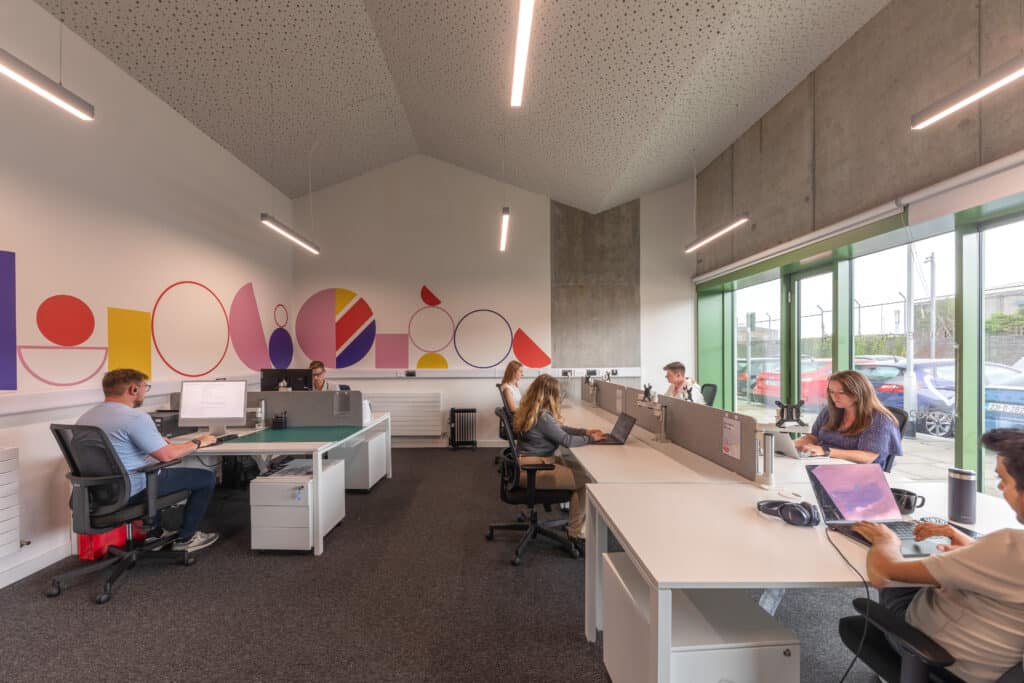
- Coworking spaces solve three core problems for buyers: reducing fixed overhead, ending isolation, and accessing professional infrastructure without a long-term lease.
- The five criteria that matter most are location, contract flexibility, community fit, included amenities, and access hours — not just price per desk.
- Key trade-offs include hot desk flexibility versus private office stability, and short-term licences versus longer commitments that may offer better value.
- South Dublin buyers should consider proximity to transport links, the quality of on-site support, and whether the space is purpose-built or a converted unit.
- Startups, solo founders, remote workers, and growing SMEs are the best-fit users — but the right space depends heavily on team size and stage of growth.
What buyer problem does a coworking space need to solve?
A coworking space earns its place when it removes a real obstacle. For most buyers, that obstacle is one of three things: the high fixed cost of a traditional office lease, the isolation of working from home, or the lack of professional infrastructure when meeting clients or collaborating with a team.
Traditional commercial leases in Ireland typically require multi-year commitments, personal guarantees, and significant fit-out costs upfront. For a startup or a growing SME, that kind of commitment is a genuine risk. A coworking space replaces that with a monthly or rolling licence, all-inclusive pricing, and the ability to scale up or down as the business changes.
The isolation problem is real too. Founders and freelancers who work from home often report that the lack of structure, peer contact, and daily routine slows them down. A good coworking space provides more than a desk — it provides a reason to show up, people to think alongside, and a community that understands what building a business actually feels like.
Finally, there is the infrastructure problem. Many early-stage businesses cannot justify a dedicated receptionist, a meeting room, or a high-speed fibre connection on their own. Coworking makes those things accessible from day one, shared across a community of members.
Which decision criteria matter most for coworking space?
Before comparing options, buyers should agree on the five criteria that consistently drive satisfaction or regret: location, contract flexibility, community, amenities, and access hours. Price matters, but it rarely tells the full story on its own.
Location and commute
A coworking space only works if people actually use it. Proximity to where your team lives, to public transport, or to your clients is a practical filter, not a preference. In South Dublin, for example, a space well-connected to the Luas red line or the M50 reduces friction significantly for daily members. Ask whether the location makes sense for your team’s real daily patterns, not just a map pin.
Contract flexibility
Month-to-month licences give you room to adjust as the business grows. Some spaces offer day passes, part-time memberships, or dedicated desk options that sit between hot desking and a full private office. Understand what happens if you need to add three people in four months, or if you need to pause for a quarter. Flexibility in the contract is often worth more than a slightly lower headline rate.
Community and peer fit
This is the criterion that is hardest to evaluate online and easiest to underestimate. The people around you in a coworking space affect your energy, your network, and sometimes your business. A space that houses mostly freelancers will feel different from one built around startups and SMEs. Visit in person during working hours. Notice who is in the room and whether the atmosphere matches where your business is going.
Amenities and support
All-inclusive pricing should mean something specific. Confirm what is actually included: high-speed broadband, printing, meeting room credits, kitchen facilities, postal address, and whether there is on-site support staff. Some spaces also offer mentoring programmes, events, or access to business development resources — which can be genuinely useful for early-stage businesses, not just a marketing line.
Access hours
Standard business hours suit some members. Others need 24/7 access, especially if they work across time zones or keep non-standard hours. Confirm whether out-of-hours access is included in your membership tier or costs extra.

What trade-offs should buyers compare?
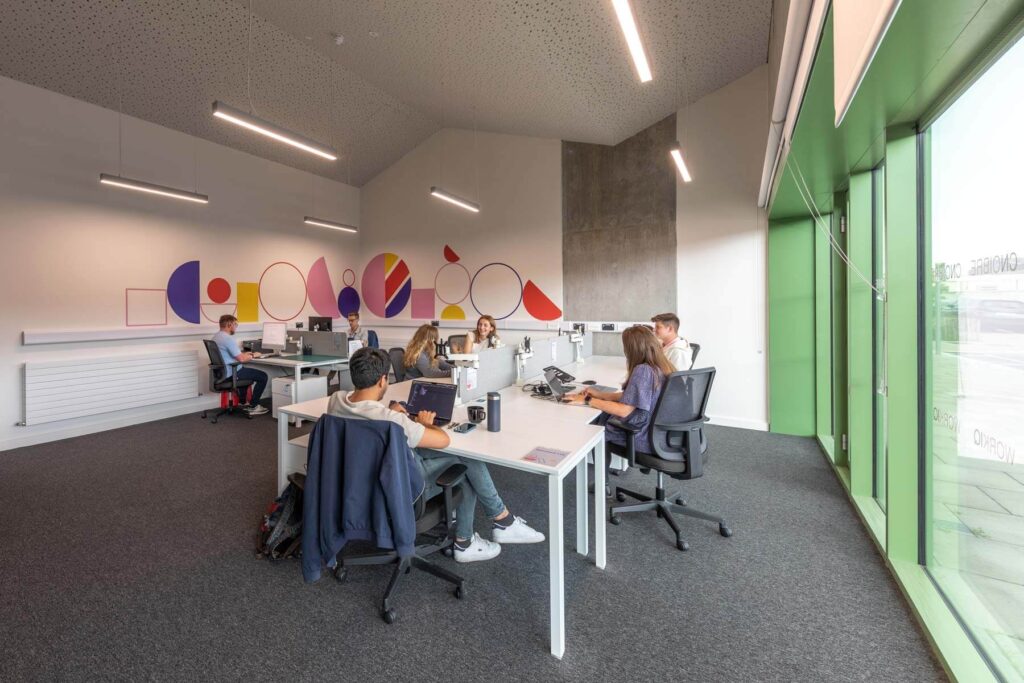
Every coworking option involves a set of trade-offs. Naming them clearly helps buyers make a decision they will not regret in six months.
| Option | Best for | Trade-off |
|---|---|---|
| Hot desk (shared) | Freelancers, remote workers, occasional users | No guaranteed seat; less privacy; harder to build routine |
| Dedicated desk | Full-time individuals who want a fixed spot | Higher cost than hot desking; still shared space |
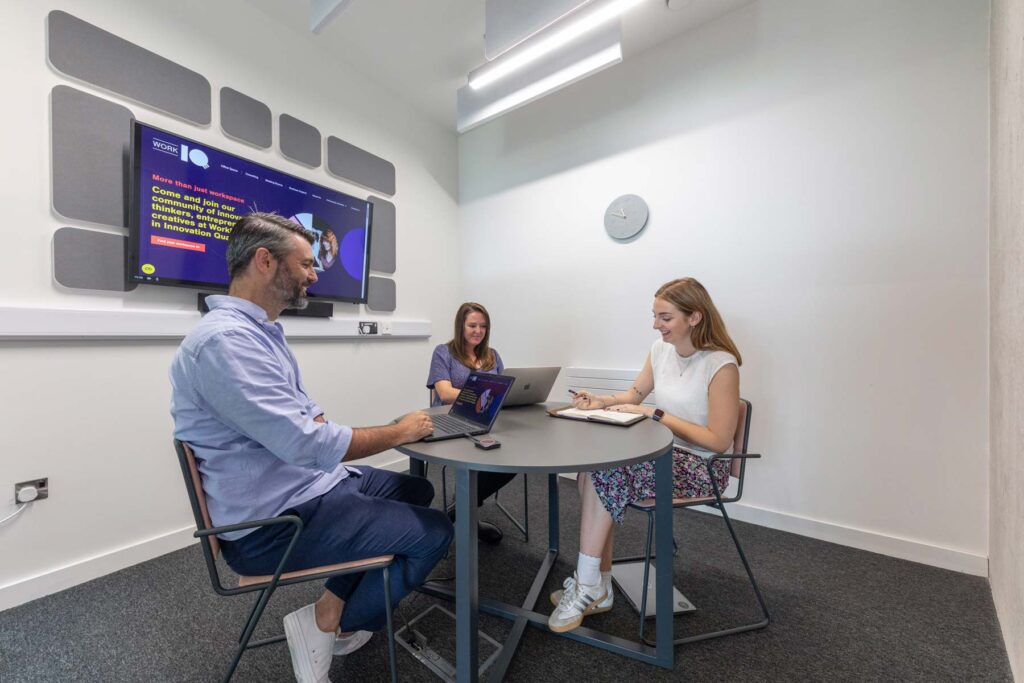
| Private office | Small teams of 2-10, client-facing businesses, confidential work | Higher monthly cost; less spontaneous peer interaction |
| Day pass / drop-in | Occasional visitors, remote workers passing through | No community continuity; no storage; unpredictable availability |
| Meeting room hire | Teams needing a professional space for specific sessions | Not a full workspace solution on its own |
The most common regret among buyers is choosing a hot desk to save money, then realising three months later that their team needs a private office for focus, confidentiality, or client visits. If you are a team of three or more, model the cost of a private office before assuming the cheapest option is the right one.
Contract length is the other live trade-off. A rolling monthly licence gives you maximum flexibility but may cost more per month than a six or twelve-month commitment. If your business has reasonable revenue visibility, a slightly longer commitment in exchange for a lower rate can be a sound decision — provided you have read the exit terms carefully.
Where does location fit in the coworking decision?
Location shapes the daily experience more than most buyers expect. A coworking space near your home or your team’s commute routes removes friction every single day. One that is inconveniently placed gets used less, which undermines the value of the membership.
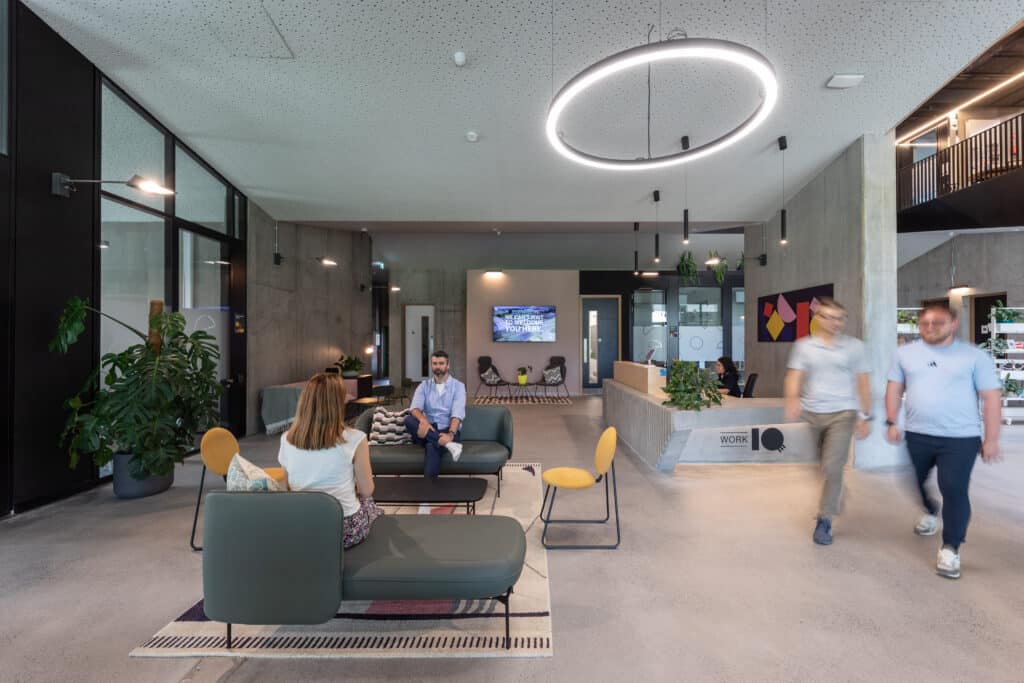
For businesses based in South Dublin, the availability of purpose-built spaces has improved significantly. Our building, for example, is designed specifically for enterprise and innovation — not a repurposed retail unit or converted warehouse. That distinction matters for professional image, facility quality, and the calibre of the businesses you will be sharing space with.
Buyers evaluating spaces in the South Dublin area should also consider proximity to TU Dublin Tallaght campus and the business support infrastructure that clusters around it. Access to mentoring, enterprise support, and a peer network of founders and SMEs is easier when the space itself is embedded in that environment rather than isolated from it.
When auditing location options, tools like WorkIQ’s workspace visibility check can help teams assess whether a specific address meets their practical commute and client-access needs before committing.

Which teams are the best fit for a coworking space?
Coworking spaces are not the right fit for every business. Understanding who benefits most helps buyers make an honest assessment of whether the model suits their current stage.
The strongest fit tends to fall into these groups:
- Early-stage startups that need professional infrastructure without a long-term lease commitment.
- Freelancers and sole traders who want structure, community, and a professional address.
- Remote workers and distributed teams who need a reliable base in a specific geography.
- Growing SMEs that have outgrown the home office but are not yet ready to commit to a full commercial lease.
- Project-based teams that need temporary space for a defined period — a product launch, a consulting engagement, a short-term contract.
Businesses that are a weaker fit include those requiring heavy physical infrastructure (manufacturing, lab work), those with strict regulatory requirements around data isolation, or those with teams large enough that a dedicated commercial lease would actually be more cost-effective per head.
Size is a useful proxy. Teams of one to ten people are almost always better served by coworking than by a traditional lease. Teams of fifteen or more should model both options carefully before deciding.
What should guide your final decision?
A coworking space is a working environment, not just a desk rental. The right decision balances practical criteria — location, price, flexibility, amenities — with the less tangible but equally real question of whether the community and culture of the space match where your business is going.
Start with your non-negotiables: access hours, contract terms, team size, and proximity. Then visit shortlisted spaces during working hours and talk to existing members. The energy in the room on a Tuesday morning tells you more than any brochure.
For buyers in South Dublin, the availability of purpose-built innovation spaces with embedded business support, mentoring, and community events has changed the calculation. You are no longer choosing between working from home and commuting into the city centre. There is a local option built specifically for founders, creatives, and growing businesses — and that proximity to your community matters more than it might seem on paper.
If you are still comparing options, prioritise flexibility above all else at the early stage. A space you can leave without penalty if it is not working is always a better first move than locking into the cheapest long-term rate.
Frequently Asked Questions
How should teams compare options for coworking space?
Start with a shortlist based on location and contract flexibility, then visit each space in person during normal working hours. Compare what is actually included in the membership price — broadband, meeting room credits, printing, kitchen access — rather than comparing headline rates alone. Talk to existing members if you can.
Which criteria matter most before committing to a coworking space?
Location relative to your team’s commute, contract flexibility (especially exit terms), access hours, and community fit are the four criteria that most consistently determine whether a membership delivers value. Amenities and price matter, but they rarely override a poor location or a rigid contract.
What risks should teams evaluate before choosing a coworking space?
The main risks are: committing to a fixed desk or private office before confirming the space suits your working style; underestimating noise and distraction in open-plan areas; and not reading the exit clause in the licence agreement. Also check whether the space has adequate meeting room availability for your team’s client-facing needs.
How does proximity affect the value of a coworking space?
A space that is inconvenient to reach gets used less, which reduces the return on the membership fee. Proximity to your team’s homes, to public transport, or to your client base is a practical multiplier on the value of every other feature the space offers. In South Dublin, spaces connected to the Luas network or major road routes remove a meaningful daily friction point.
How does the culture of a coworking space affect the decision?
Culture determines whether you gain anything beyond a desk. A space with an active community of founders, creatives, and growing businesses creates informal peer learning, referral opportunities, and daily motivation. A space that is simply a room full of people working in silence offers none of that. Ask the operator how they actively build community — events, introductions, mentoring — not just whether they host the occasional breakfast.