

Flex office space is a broad term for any workspace arrangement where the occupancy terms are short, variable, or usage-based rather than fixed by a traditional full-repairing lease. The defining feature is flexibility in duration and commitment, not a specific type of room or building.
In practice, flex office space sits across a spectrum:
| Type | Typical arrangement | Best suited to |
|---|---|---|
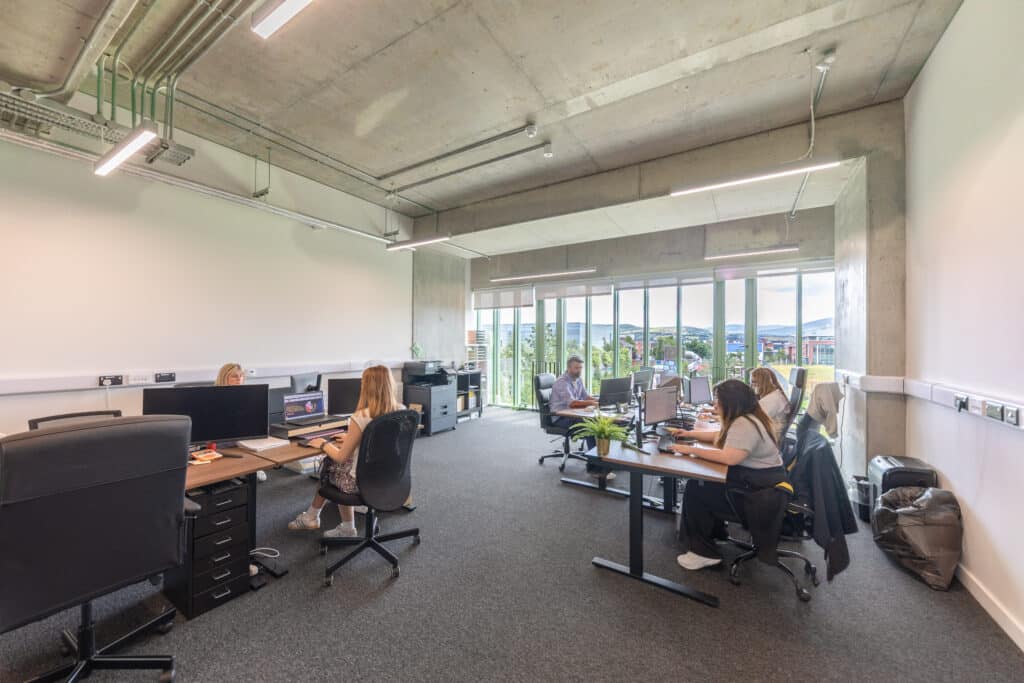
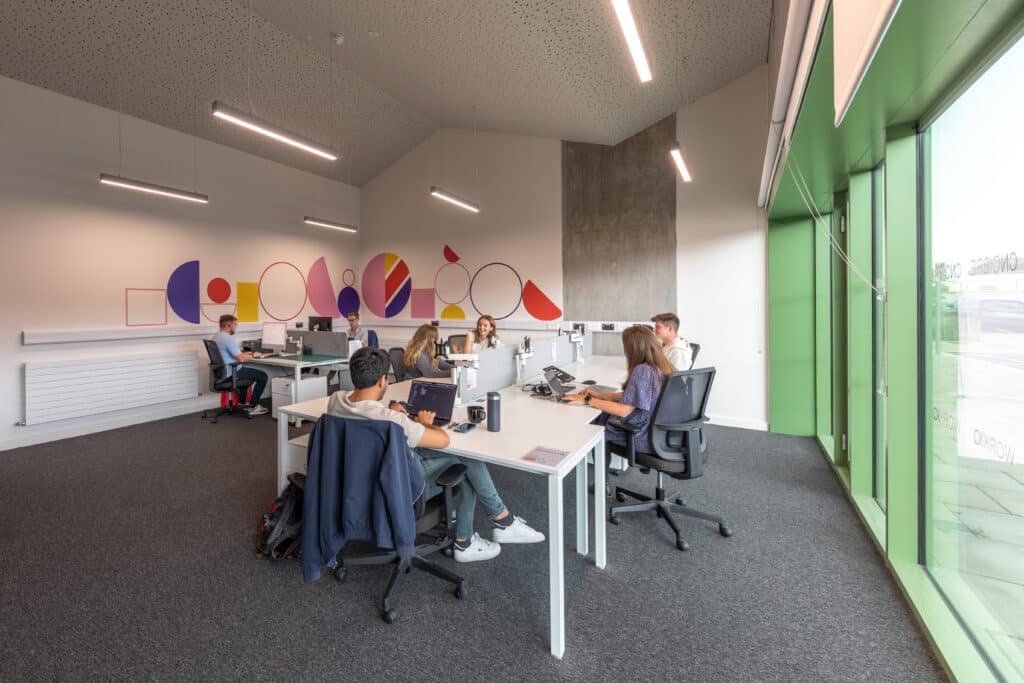
| Hot desk / coworking desk | Daily, weekly, or monthly access to shared open-plan space | Solopreneurs, remote workers, freelancers |
| Dedicated desk | A fixed desk in a shared space, reserved for one person | Individuals needing a permanent base without a private room |
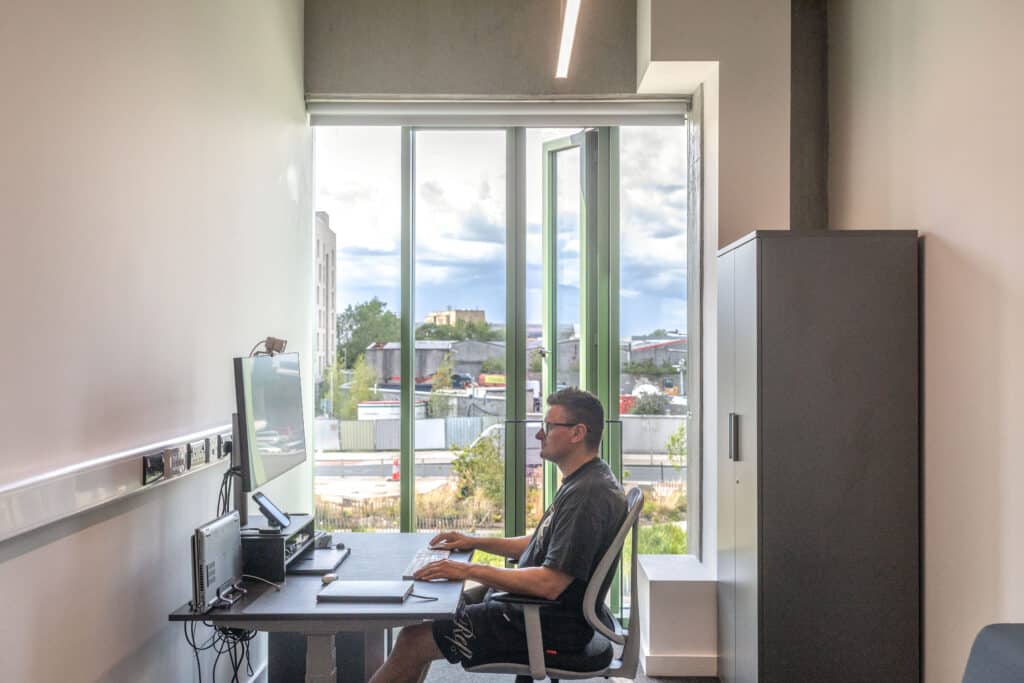
| Private serviced office | A lockable room, fully fitted and managed, on a rolling or short-term licence | Small teams of 2 to 20 people who need privacy and a team base |
| Meeting room hire | Bookable by the hour or half-day | Any team needing occasional client or project space |
| Managed office suite | A larger private floor or suite, managed by the operator, on a 6 to 24-month term | Growing companies that want control without a full lease |
All of these fall under the flex office umbrella. What unites them is that the operator handles the infrastructure — broadband, utilities, cleaning, reception, and building management — and the occupier pays a single, predictable fee.
The inputs you need before choosing a flex arrangement
Choosing the wrong type of flex space is usually a planning problem, not a product problem. The right arrangement depends on a handful of concrete inputs, and getting these clear before you start viewing spaces saves a lot of time.
Headcount certainty
How stable is your team size over the next six to twelve months? If you are hiring fast or uncertain about growth, a private office with a monthly rolling licence gives you room to move. If your team is stable, a dedicated desk or a short fixed term may be more cost-effective.
Frequency of use
How many days per week does your team actually need a physical base? A team that meets in person once a week has very different requirements from one that works on-site five days a week. Coworking desks work well for low-frequency use; private offices make more sense for daily teams.
Budget structure
Flex office costs are typically all-inclusive, covering rent, rates, broadband, utilities, and building services in one monthly figure. Before comparing options, calculate what your true all-in monthly cost would be for a conventional lease, including fit-out, furniture, rates, broadband, and service charges. That comparison gives you a realistic baseline.
Location and community
Proximity to clients, transport links, and a peer community all affect the value of a workspace. A well-located centre in a business district or innovation hub can open doors that a cheap peripheral office cannot.
The implementation sequence: moving from search to settled
Moving into flex office space is significantly faster than a conventional lease, but it still benefits from a clear sequence. Rushing straight to a viewing without completing the input stage is where most teams waste time.
- Define your requirements. Headcount, days per week, must-have amenities (meeting rooms, parking, 24/7 access), and maximum monthly budget. Write these down before contacting any provider.
- Shortlist by type, not just price. Match the workspace type to your actual use pattern. A coworking membership is not a substitute for a private office if your work involves confidential calls.
- Visit in person. Flex spaces vary enormously in quality, noise level, and community culture. A site visit during working hours tells you far more than photos or a virtual tour.
- Read the licence terms carefully. Check notice periods, what is included in the monthly fee, what triggers additional charges, and whether there is a cap on price increases at renewal.
- Confirm the practical details. Broadband speeds, access hours, meeting room allocation, postal address status, and whether the space can accommodate your team if it grows by 30 to 50 percent.
- Start on a short term. If you are new to a centre or a location, a one to three month initial term lets you validate the fit before committing to a longer arrangement.
How flex office space and flexible office space relate
The terms flex office space and flexible office space are used interchangeably in the Irish market. Both describe workspace arrangements that prioritise short terms, variable commitment, and managed infrastructure over traditional leases. Neither term has a formal legal or regulatory definition in Ireland.
In practice, flexible office space is the slightly broader phrase, sometimes used to describe any office that offers adaptable terms, including managed offices and serviced suites. Flex office space tends to be used more specifically for coworking-style environments and short-licence private offices. The distinction is more marketing convention than meaningful difference. When evaluating a provider, focus on the actual licence terms, what is included, and the notice period rather than the label they use.
Flexi office space is a further variation of the same term, common among smaller independent providers in Ireland. It carries the same meaning: daily, weekly, and monthly rental rates for fully private, partitioned suites, with all bills included, positioning the arrangement as an alternative to fixed real estate costs.
Mistakes that break the workflow
Most problems with flex office space come down to a mismatch between what the team actually needs and what the space was set up to provide. These are the mistakes worth avoiding.
Choosing on price alone
The cheapest desk rate does not always produce the lowest total cost. A space without reliable broadband, adequate meeting rooms, or a reasonable notice period can cost more in disruption than a slightly more expensive centre that covers everything cleanly.
Underestimating all-in costs
Some providers advertise a base desk rate but charge separately for meeting room use, printing, postal services, or after-hours access. Always ask for a full breakdown of what the monthly fee includes and what generates an additional charge.
Signing terms that don’t match your growth pace
If your team is growing, a space that can only accommodate your current headcount will force a disruptive move within months. Check whether the provider has larger options within the same building and whether your licence allows you to upsize without penalty.
Ignoring community and culture fit
Flex spaces are not neutral environments. The other businesses working there, the events programme, and the attitude of the management team all shape your daily experience. A centre with an active peer community and business support can add real value beyond the desk itself.
Treating it as a stopgap rather than a deliberate choice
Some teams move into flex space reluctantly, intending to find a “proper” office once things settle. This often leads to underinvestment in the workspace relationship. Flex space works best when it is treated as a deliberate operational choice, not a temporary measure.
Frequently asked questions about flex office space
What is flex office space?
Flex office space is a workspace arrangement where occupants pay for access on short, rolling, or usage-based terms rather than a traditional fixed-term lease. It includes hot desks, dedicated desks, private serviced offices, and meeting rooms, all managed by the operator. The occupier typically pays one all-inclusive monthly fee covering utilities, broadband, and building services.
How should teams evaluate flex office space?
Start with your actual requirements: headcount, days per week in the office, must-have amenities, and budget. Then compare options based on the all-in monthly cost, the notice period, what is included in the fee, whether the space can accommodate growth, and whether the community and location suit your business. Visit in person during working hours before committing.
What mistakes should teams avoid with flex office space?
The most common mistakes are choosing on price alone, underestimating additional charges not included in the advertised rate, signing terms that don’t allow for headcount growth, and failing to visit the space in person. Ignoring the community culture of a centre is also a frequent oversight, particularly for teams that benefit from peer connections and informal support.
How does flexible office space relate to flex office space?
The two terms are used interchangeably in Ireland and describe the same broad category of workspace: short-term, managed, all-inclusive office arrangements. Flexible office space is sometimes used as the broader umbrella term; flex office space often refers more specifically to coworking-style or short-licence private offices. Neither has a formal regulatory definition. Evaluate providers on licence terms, not on which label they use.
How does flexi office space relate to flex office space?
Flexi office space is a common variant of the same term, particularly used by smaller independent providers in Ireland. It carries the same meaning: short-term, flexible, all-inclusive workspace. The variation is stylistic rather than substantive. When comparing providers that use different labels, focus on notice periods, what is covered in the monthly fee, and the physical quality of the space.
When flex office space matters most
Flex office space is not the right choice for every business at every stage. It tends to deliver the most value in specific circumstances.
Early-stage startups benefit from the ability to get into a professional environment quickly, without the capital outlay of a fit-out or the risk of a multi-year lease commitment before revenue is predictable.
Growing SMEs use flex space to bridge the gap between a home office and a full commercial lease, maintaining a credible business address and team base while headcount is still in flux.
Remote-first teams with occasional in-person needs find flex space more cost-effective than paying for a permanent office that sits empty most of the week. A coworking membership or a bookable private office covers the days when the team actually needs to be together.
Businesses entering a new market or location use flex space to establish a local presence without a long-term commitment before they understand the market well enough to make a permanent decision.
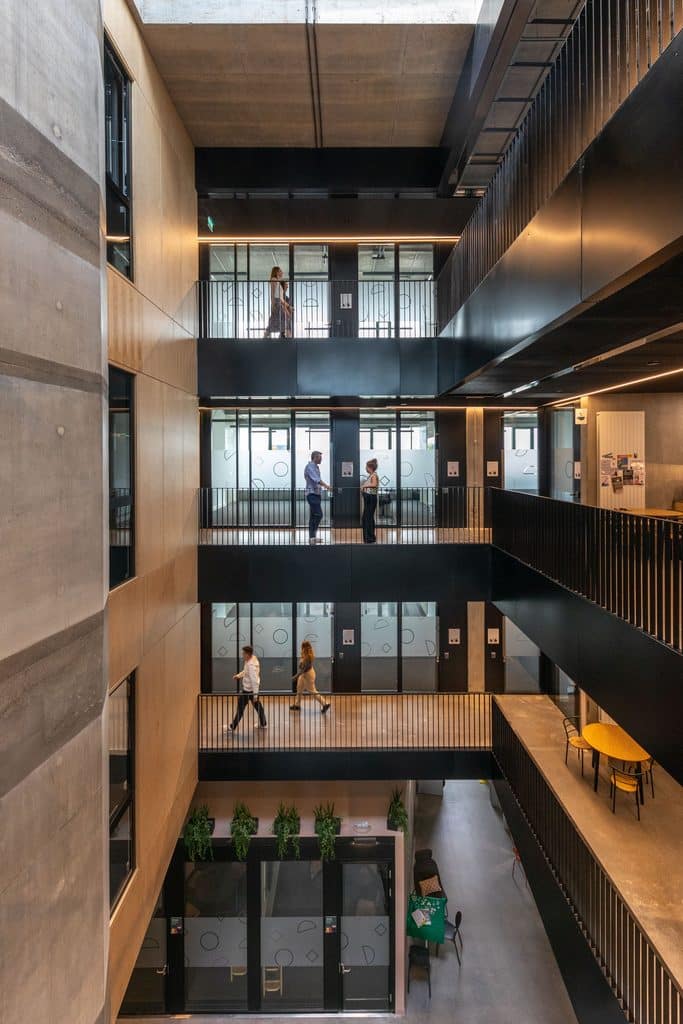
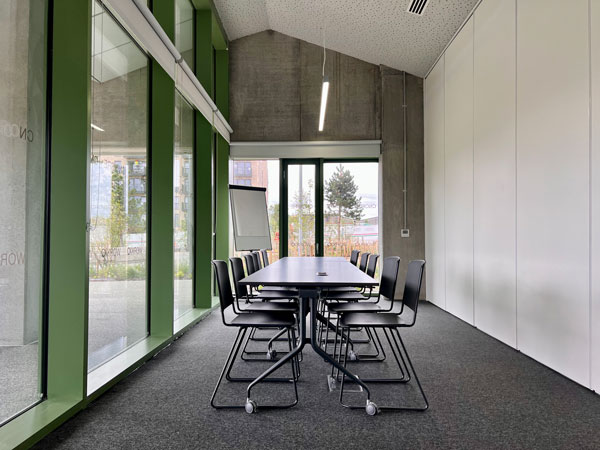
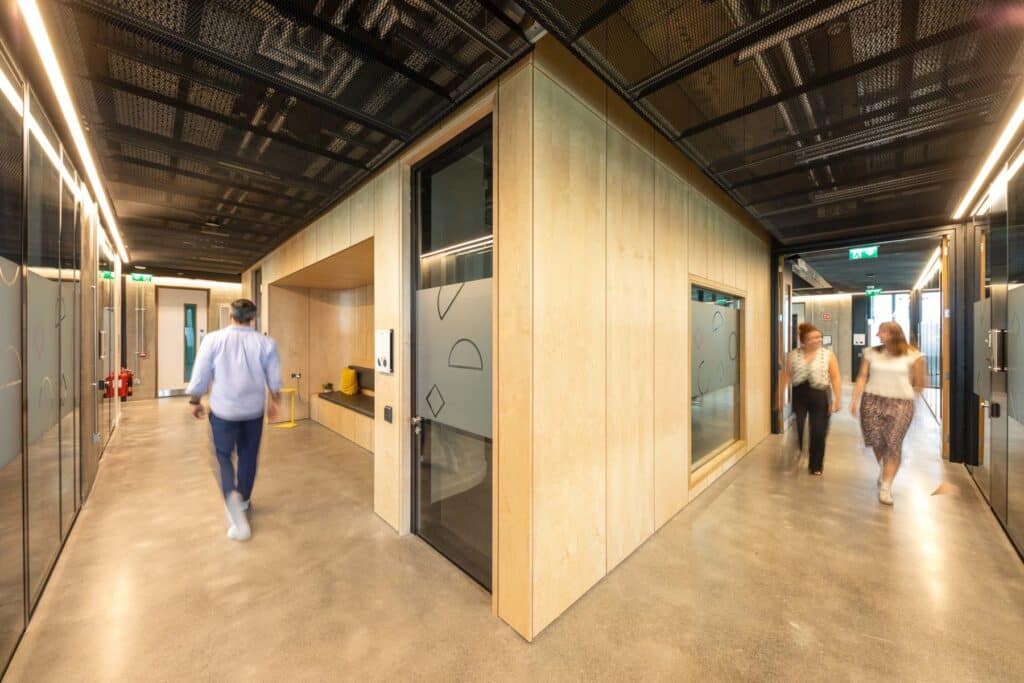
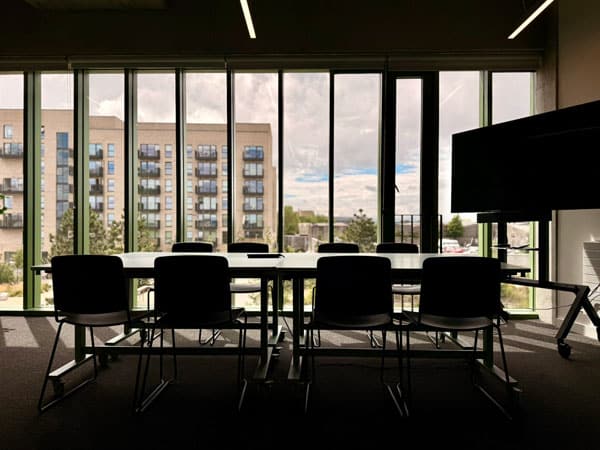
In South Dublin, purpose-built centres like WorkIQ at Innovation Quarter Tallaght are designed precisely for these situations. WorkIQ offers private offices, coworking desks, and meeting rooms under one roof, alongside mentoring, events, and a community of founders and growing businesses, without the rigidity or cost of a conventional lease. If you are weighing up whether flex space fits your current stage, auditing your actual weekly in-office days and your 12-month headcount forecast is the clearest place to start.